
The Difference Between Filtration and Purification: Which Do You Need?
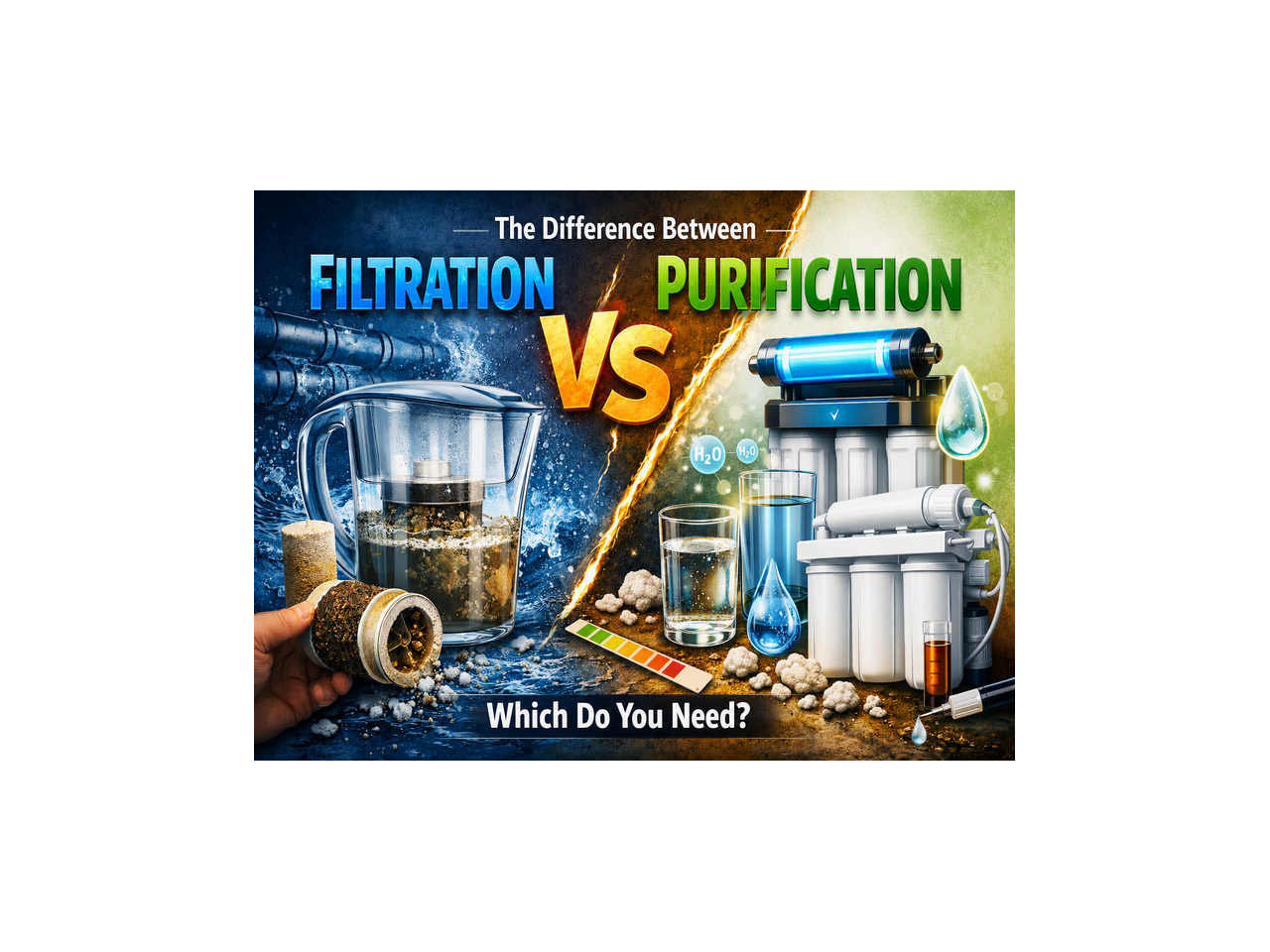
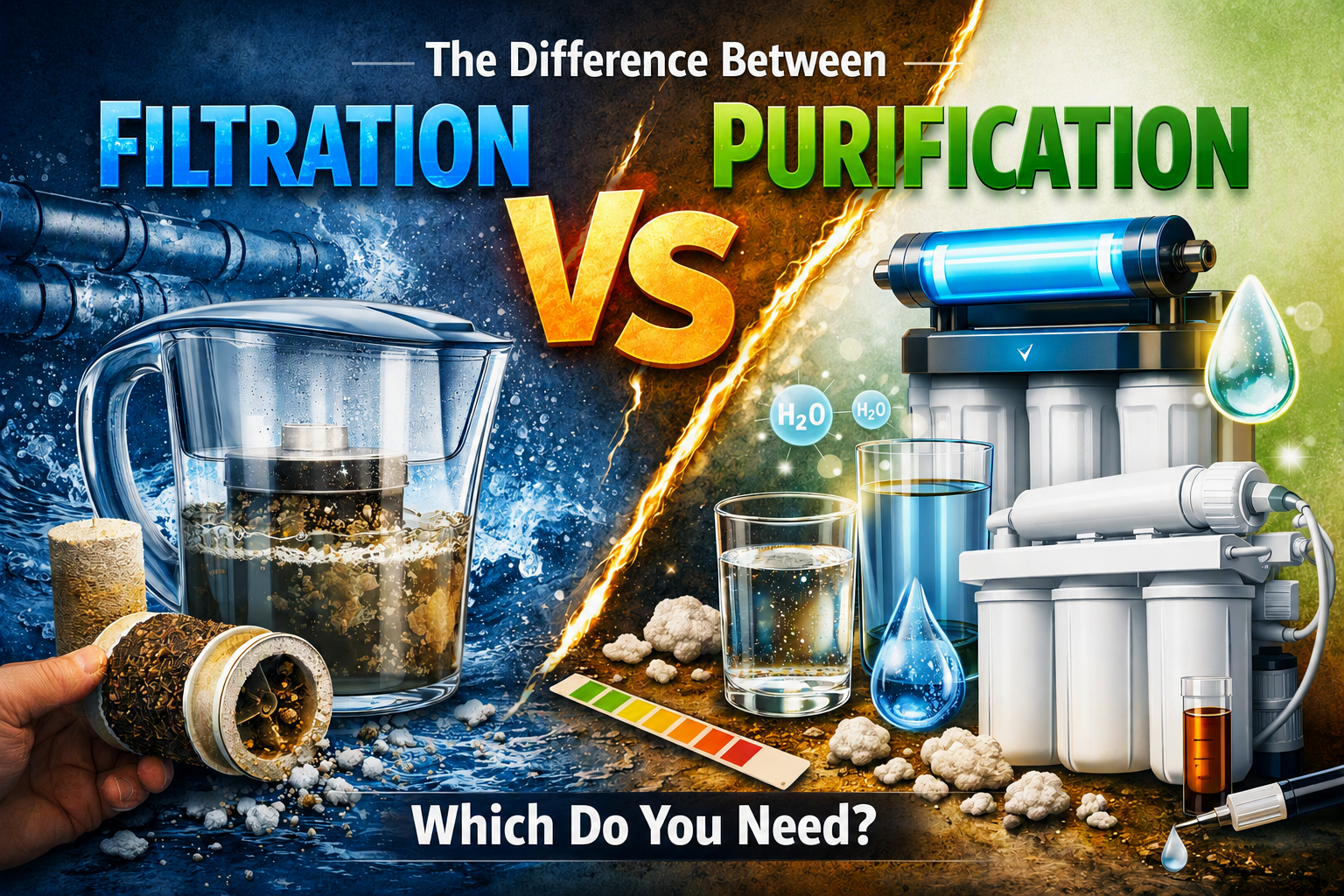
Clean water is essential for homes, businesses, and industrial operations. However, the terms water filtration and water purification are often used interchangeably, leading to confusion when selecting the right solution.
While both processes improve water quality, they work in different ways and are designed to remove different types of contaminants.
Understanding the difference between filtration and purification can help businesses choose the most effective water treatment solution while protecting equipment, improving product quality, and ensuring regulatory compliance.
As a trusted supplier of water filtration and industrial water treatment solutions, Asia Supply helps businesses identify systems that match their operational requirements.
Water filtration is the process of physically removing suspended particles and certain contaminants from water.
Filtration typically removes:
Common filtration technologies include:
Filtration improves water clarity and protects downstream equipment but does not necessarily eliminate all microorganisms or dissolved contaminants.
Water purification is a broader treatment process designed to produce water of a much higher purity by removing not only suspended particles but also dissolved contaminants, bacteria, viruses, chemicals, and other impurities.
Purification methods include:
Purification is commonly used where high-quality or ultra-pure water is required.
| Feature | Filtration | Purification |
|---|---|---|
| Removes sediment | ✅ | ✅ |
| Removes chlorine | ✅ (carbon filters) | ✅ |
| Removes bacteria | Limited | ✅ |
| Removes viruses | Limited | ✅ |
| Removes dissolved salts | ❌ | ✅ |
| Removes heavy metals | Limited | ✅ |
| Improves taste | ✅ | ✅ |
| Produces high-purity water | ❌ | ✅ |
Filtration is suitable when your goal is to:
Typical applications include:
Purification is recommended when water must meet stricter quality requirements.
Industries include:
Absolutely.
Many industrial systems use multi-stage water treatment, where filtration acts as the first line of defence before purification.
Example:
This approach extends equipment life while producing consistently high-quality water.
Every industry has unique water quality requirements.
Asia Supply supplies a wide range of water filtration, industrial filtration, and water treatment solutions designed for commercial and industrial applications.
Whether businesses require sediment removal, carbon filtration, reverse osmosis, or complete water purification systems, Asia Supply provides solutions that help improve efficiency, protect equipment, and maintain product quality.
By understanding each customer's application, Asia Supply recommends systems tailored to operational requirements and long-term performance goals.
No. Filtration removes suspended particles and some contaminants, while purification removes a much broader range of contaminants, including microorganisms and dissolved substances.
Activated carbon filters improve taste and remove chlorine and certain chemicals but are generally considered a filtration method rather than a complete purification process.
Yes. Reverse osmosis (RO) is widely recognised as a water purification technology because it removes dissolved salts, minerals, and many contaminants.
Neither is universally better. The right solution depends on your water source, intended use, and quality requirements. Many systems combine both for the best results.
Although the terms filtration and purification are often used interchangeably, they serve different purposes. Filtration focuses on removing suspended particles and improving water clarity, while purification targets a wider range of contaminants to produce higher-quality water.
Choosing the right approach depends on your application's requirements, water source, and desired water quality.
As a trusted provider of water filtration, industrial filtration, and water treatment solutions, Asia Supply helps businesses select systems that deliver reliable performance, protect valuable equipment, and support long-term operational efficiency.
.
Please sign in first.
Sign inCreate a free account to use wishlists.
Sign in